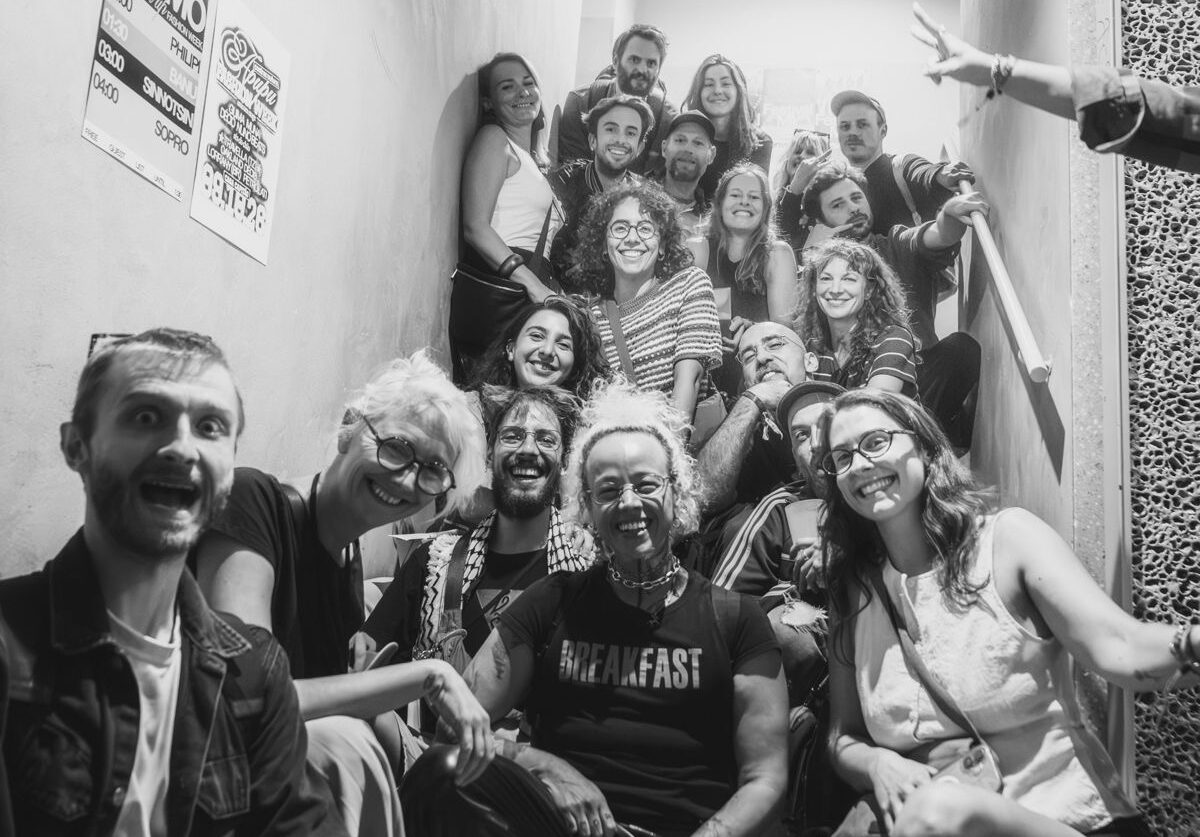
A final gathering in Lisbon
On 26 October, artists and members of the Slash Transition team began arriving in Lisbon for the final chapter of the project. Hosted by Casa Capitão in the Beato neighbourhood, the gathering brought together artists from two residency cohorts, project partners and local facilitators for a packed programme of creation, exchange and reflection.
After four years of exploring the relationships between sound, music and the city, this final gathering was an opportunity to bring the project’s different threads together. It was a chance to revisit the work developed across different urban contexts, share the experiences that had shaped each artist’s practice, and celebrate the connections formed along the way!
Creating together: a week of sound experimentation
The first stage of the gathering was the creative workshop, part of Slash Transition’s post-coaching programme. Running from 29 September to 3 October, it brought together artists from the 2024 and 2026 residency cohorts.
They formed 3 groups of 2 artists and each duo received a brief exploring a different way of listening to and interpreting the city:
- What do we hear when we arrive somewhere? Tiko Gogoberidze and Louis Naudin explored the sounds and voices encountered in public space, working with indistinct conversations recorded in the street in languages including Portuguese and English.
- Architecture as an instrument. Oussama Menchaoui and Fanch Dodeur investigated how buildings and their physical structures could become instruments, working with machines, resonances and the acoustic qualities of their surroundings.
- How can we make audible what we cannot hear? Giorgi and Pedro approached this question through door knockers, giving a voice to objects that have largely fallen out of everyday use.
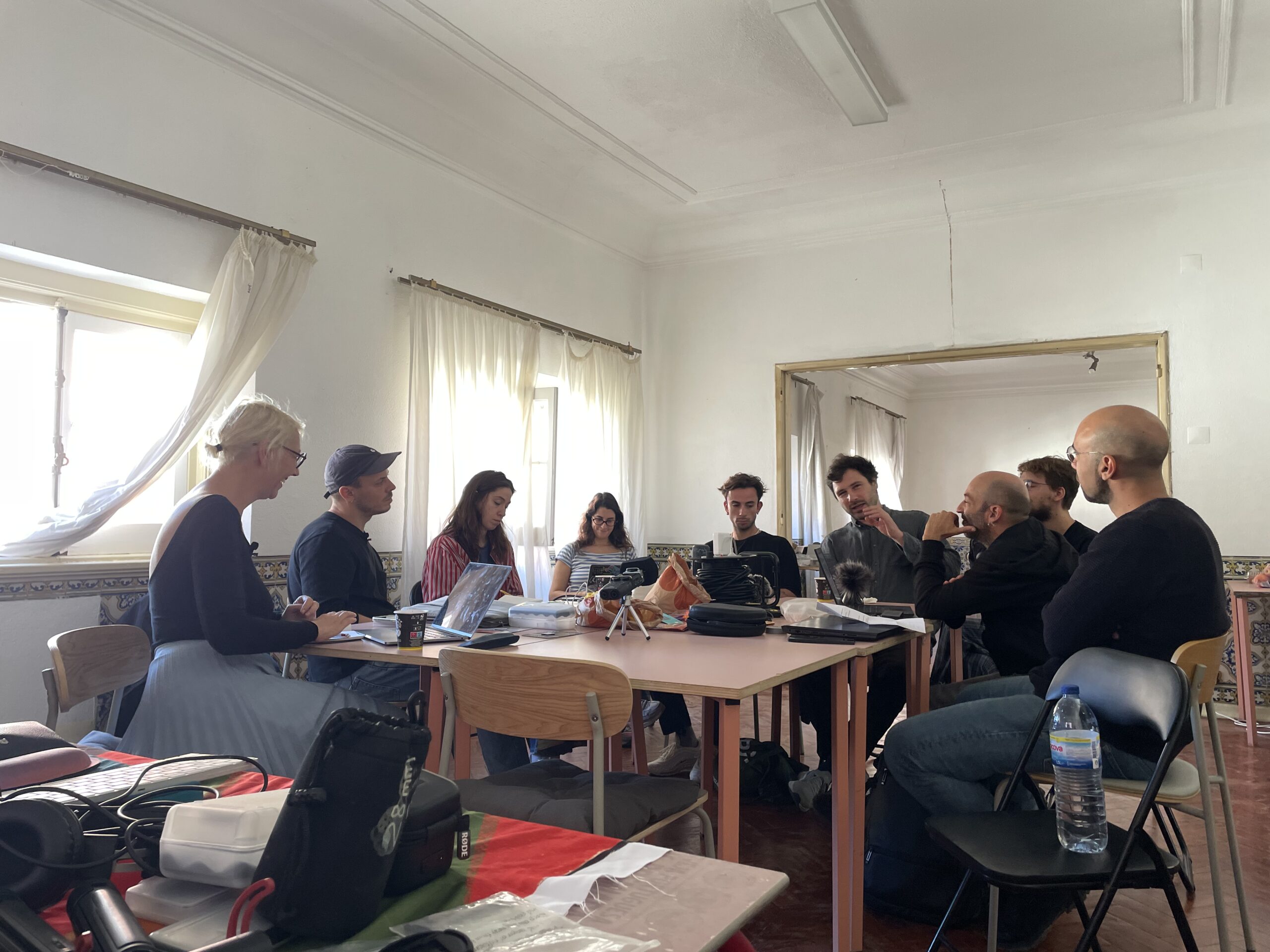
The artists received their briefs in advance, giving them time to exchange initial ideas before arriving in Lisbon. Throughout the week, they were free to experiment with recording equipment, microphones and sound recorders, developing their pieces at their own pace. Daily feedback sessions encouraged them to reflect on their choices and question the direction of their work.
Why use this particular sound? What does it communicate? Is a narrative necessary? What context does the listener need? What are we trying to reveal, and what might be lost along the way?
These questions became a recurring part of the creative process, encouraging the artists to look beyond their initial intuitions and consider how their choices shaped the listening experience.
The resulting works took different directions, sometimes moving away from the original intentions of the briefs. The piece exploring what we hear when arriving somewhere focused on the overlapping voices of the street. The architectural commission brought machines and resonant structures to the foreground. And the third duo found a compelling way to make an overlooked object speak.
It was a valuable opportunity to experiment not only with sound, but also with the conditions that make artistic collaboration possible.
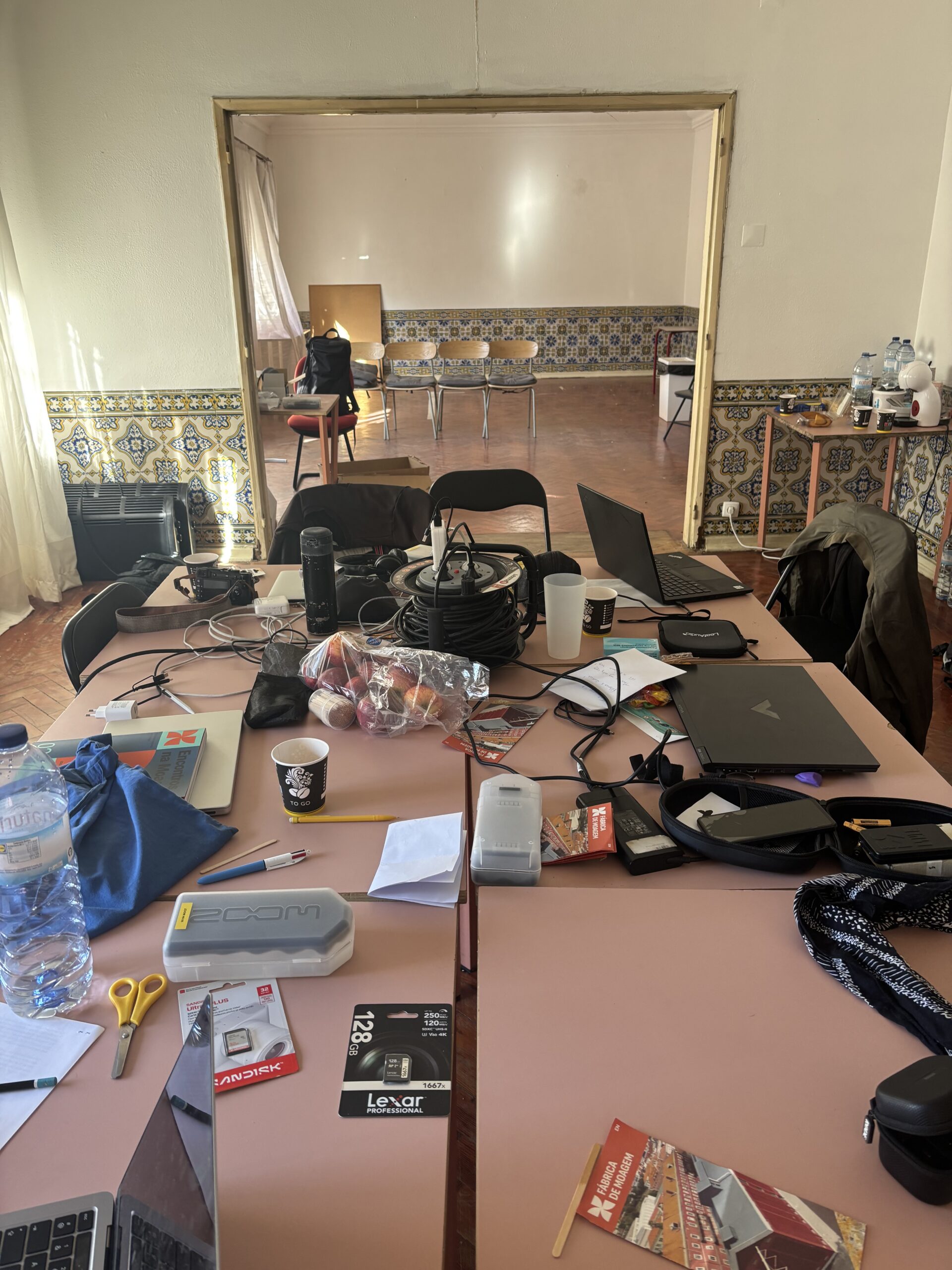
The Collab Lab: sharing four years of experience and imagining what comes next
On 4 and 5 October, the programme moved into the final Collab Lab, bringing together artists, project partners and local facilitators. The first objective was to reflect on what Slash Transition had brought to those involved. The conversations highlighted changes in artistic practice, new questions and ways of thinking, and encounters that had opened up new possibilities — both professionally and personally.
For some participants, the project had offered something particularly meaningful: a sense of finding their community. Working in experimental fields can sometimes feel isolating, especially when an artistic practice is built around a particular obsession, question or way of seeing the world. Meeting others who share that curiosity can change how artists relate to their work and to one another.
Over four years, Slash Transition had become a space for these encounters, generating friendships, professional opportunities and connections across artistic disciplines, organisations and cities.

The Collab Lab also looked towards a possible future for the project. One workshop invited participants to imagine a provocative scenario:
“If Slash 2 had real political power in a city — not just artistic power — what would we change first?”
The session opened up a space to think about what artists and cultural organisations might contribute if they had a more direct role in shaping the environments in which they work. It also raised questions about how a future iteration of Slash could respond to the different interests and expectations of everyone involved. The desire to continue these conversations was itself an encouraging outcome.
The Collab Lab also included a session led by EDNA, the design school involved in documenting and evaluating the project through the design of their Living Archive initiative. The aim was to observe the process, gather critical feedback and develop tools and methodologies that could help future projects learn from Slash Transition’s experience.
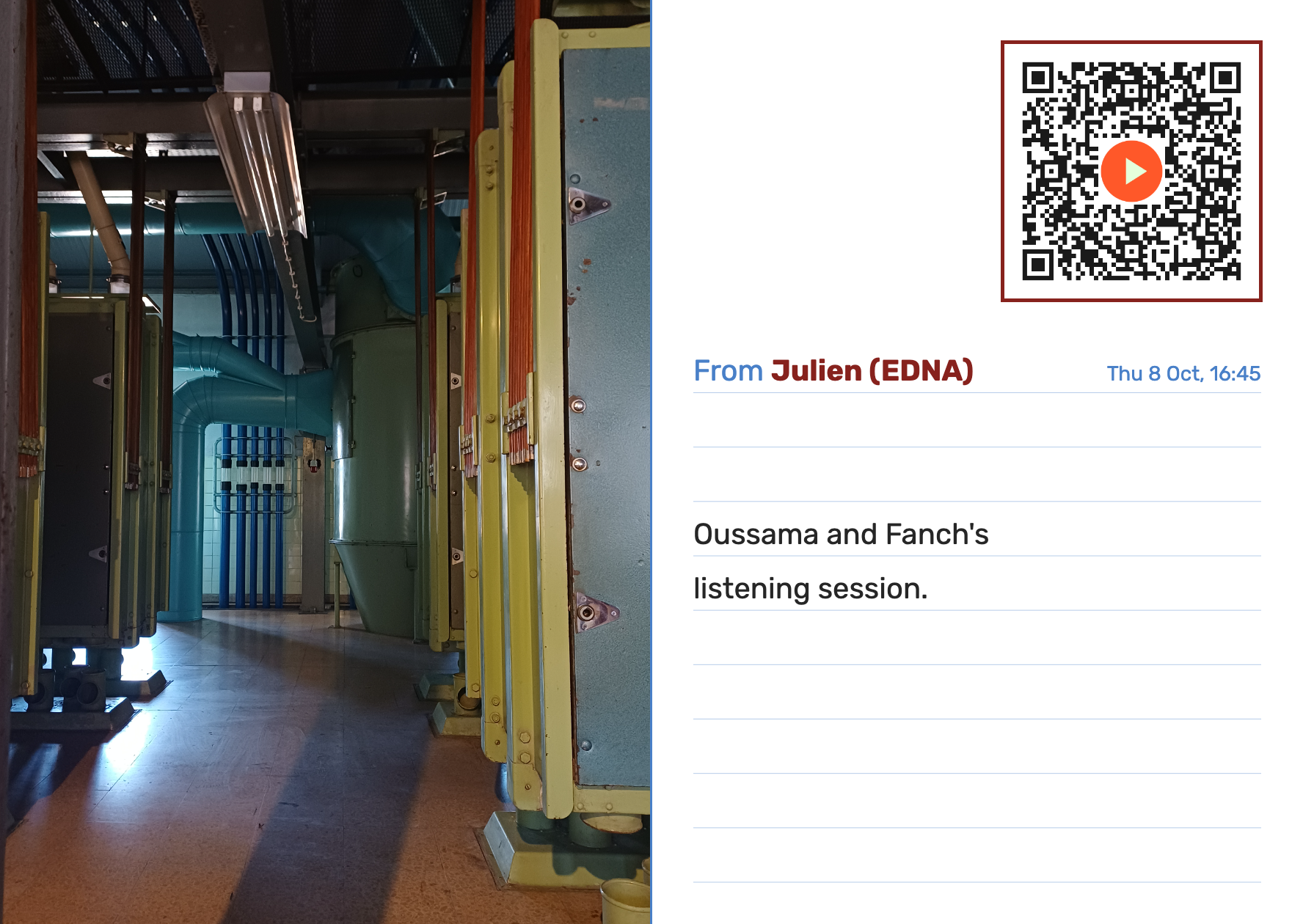
During the Lisbon gathering, EDNA introduced a postcard-based documentation tool, accessible online, that allowed participants to capture the week through photographs, short texts and sound recordings. The result was a spontaneous, three-dimensional portrait of life in Beato: everyday moments in the streets and at Casa Capitão, meals shared together, extracts from talks and listening sessions, etc.
Both playful and revealing, these postcards offered a glimpse of the project beyond its official programme — a record of the informal encounters and small moments that are often just as important as the public-facing outcomes.
Looking back, and looking ahead
The workshop and the final Collab Lab offered an opportunity to take stock of four years of Slash Transition through the artistic work developed along the way, the relationships, questions and shared experiences that emerged from the process.
From experimenting with sound and new ways of listening to imagining the role artists could play in shaping their cities, the week brought together many of the questions that had driven the project from the beginning. It also opened up new perspectives on what could come next.
With these reflections in mind, it was time to bring the project’s different works together and share them with a wider audience. The next chapter would take place at Fábrica de Moagem, where ten works developed throughout Slash Transition were about to meet under one roof.