

Tamaya Sapey-Triomphe‘s practice challenges conventional ideas of what art can be and who gets to define its value. Through her work, she explores how artistic practices can exist beyond the boundaries of traditional institutions.
Tamaya Sapey-Triomphe: resisting art world norms
18 November 2026
Tamaya Sapey-Triomphe is an architect, artist, and founder of Musée de Proximité, exploring new ways of sharing culture and artistic practices. We met her in Nantes, where she joined the Slash artists as a guest contributor, leading a workshop that invited them to meet residents across the Île de Nantes, collect stories, and transform these encounters into creative material.
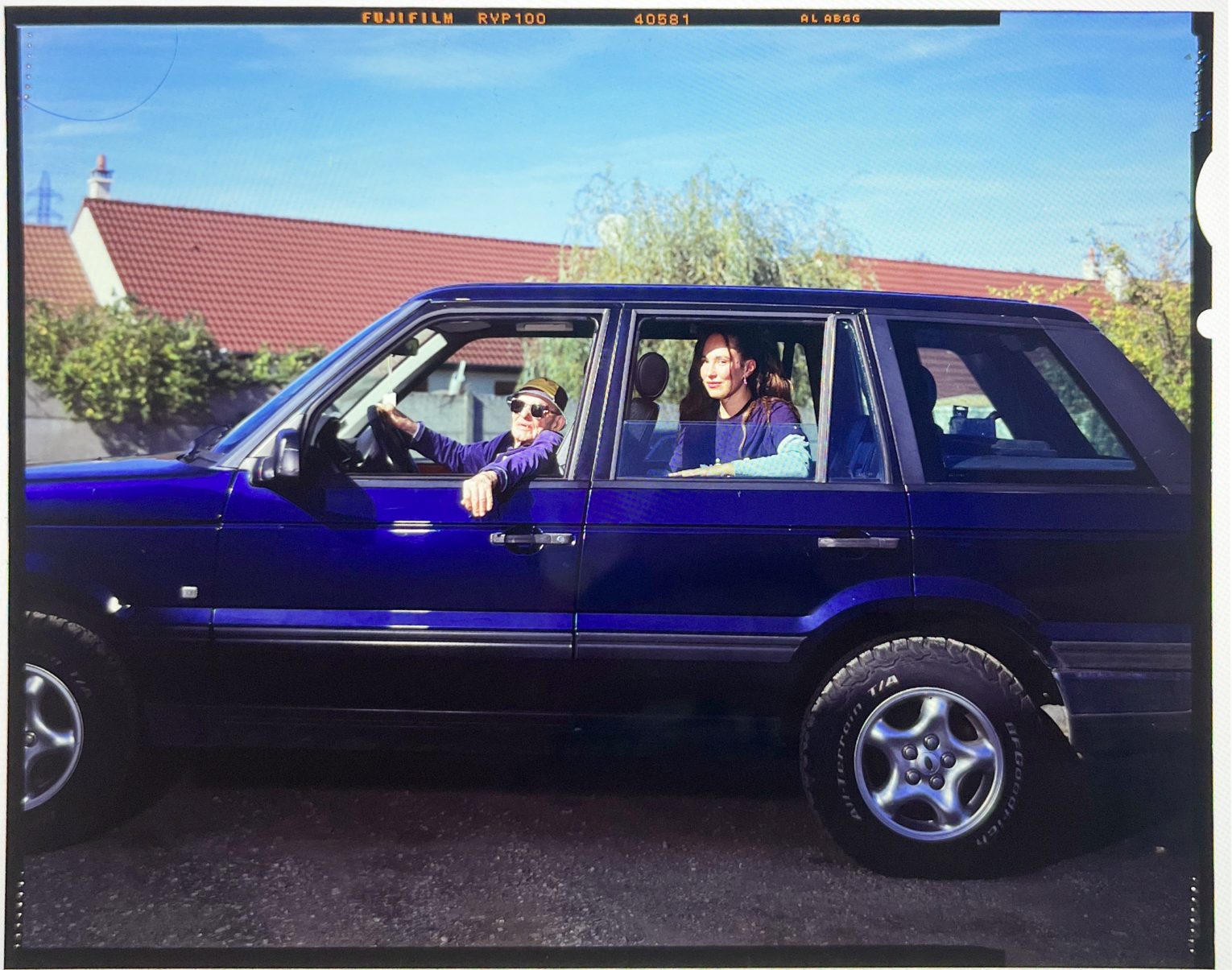
You work across architecture, illustration, scenography, and graphic arts. How do these disciplines inform each other? How has your architectural training shaped your approach to space and materials?
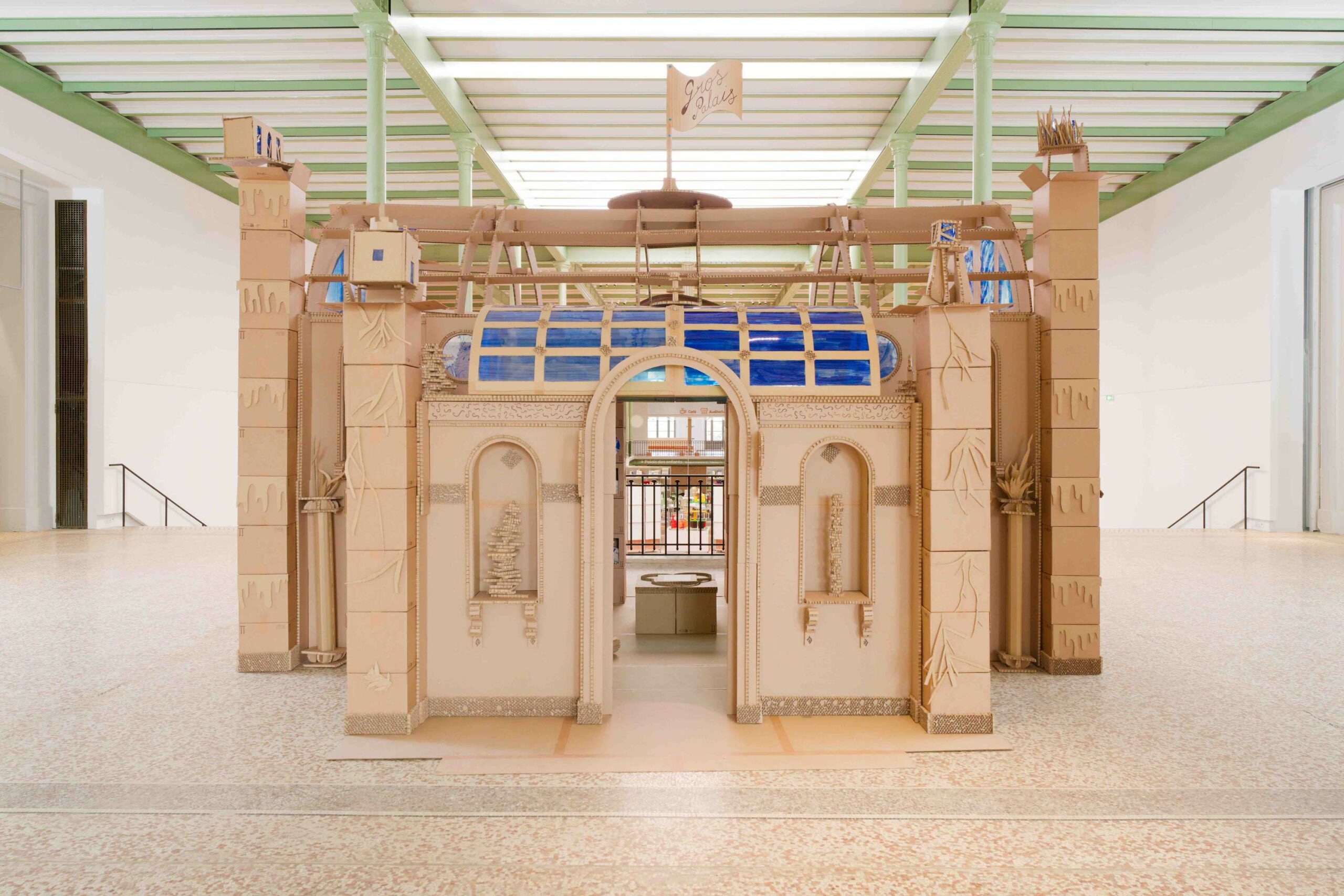
I think all my media are deeply connected to my architectural practice. In architecture school, you’re constantly making models — often in cardboard. At some point, I realized I didn’t just like cardboard as a tool for representation; I loved it as a material in itself. I started applying architectural protocols to artistic projects. What interests me is not only the final object, but every step of the process like preparatory drawings and models. Sometimes I choose to exhibit those instead of a finished piece.
Scale also plays an important role. I work in a very small studio in Paris, but in La Courneuve I have a bigger space where I test large-scale ideas.
You describe yourself as Franco-Chilean and have studied in multiple countries. How has this multicultural background shaped your work?
It has made me very open and curious. I’m constantly trying to learn from different contexts. Chile, in particular, is very important to me. I try to go every year, to explore new places and revisit others. It has a very strong architectural and artistic scene that inspires me a lot. Paris is beautiful, but it can sometimes feel fixed in time, almost like a museum itself. Cities like Santiago feel more alive and in motion, and that energy feeds my work.
Cardboard appears repeatedly in your work, from small objects to large structures. What draws you to it, both practically and conceptually?
Cardboard is very personal for me. My father worked in a cardboard factory when he lived in East Berlin, and he built most of the furniture in our home with it. My first bed as a baby was made of cardboard. So from a very early age, I understood that cardboard is a reliable and strong material if it’s well constructed. Later, I returned to it naturally.
It’s also incredibly accessible. You can find it everywhere, it’s often free, and it allows for experimentation without risk. If something fails, you can simply start again. It also has a political dimension. In protests across the world people used cardboard to write messages and carry them in demonstrations. It is a tool of expression that crosses borders and I find that very powerful.
Your project Musée de Proximité rethinks what a museum can be. How did the idea emerge, and how does it challenge traditional definitions of art and curation?
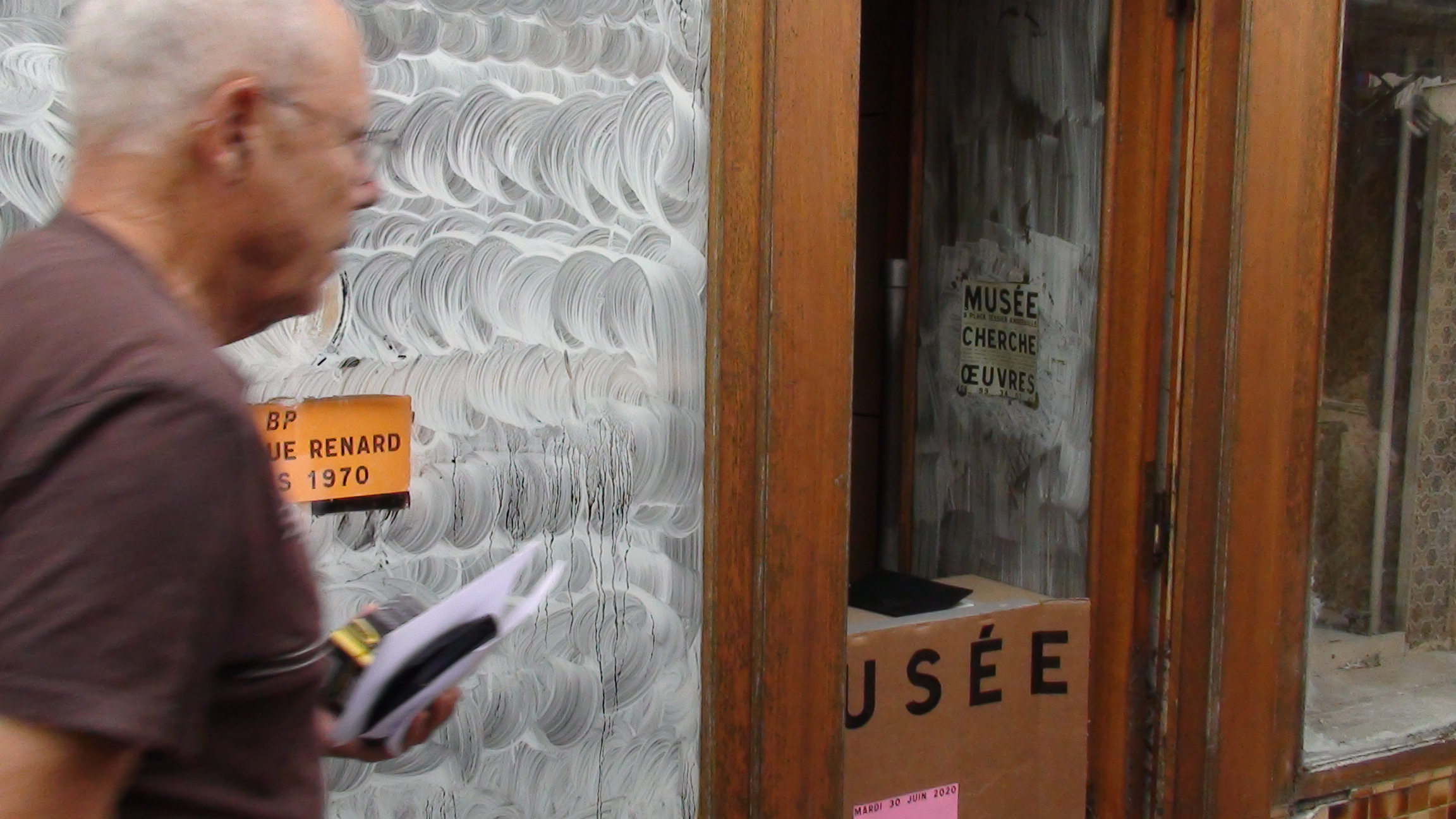
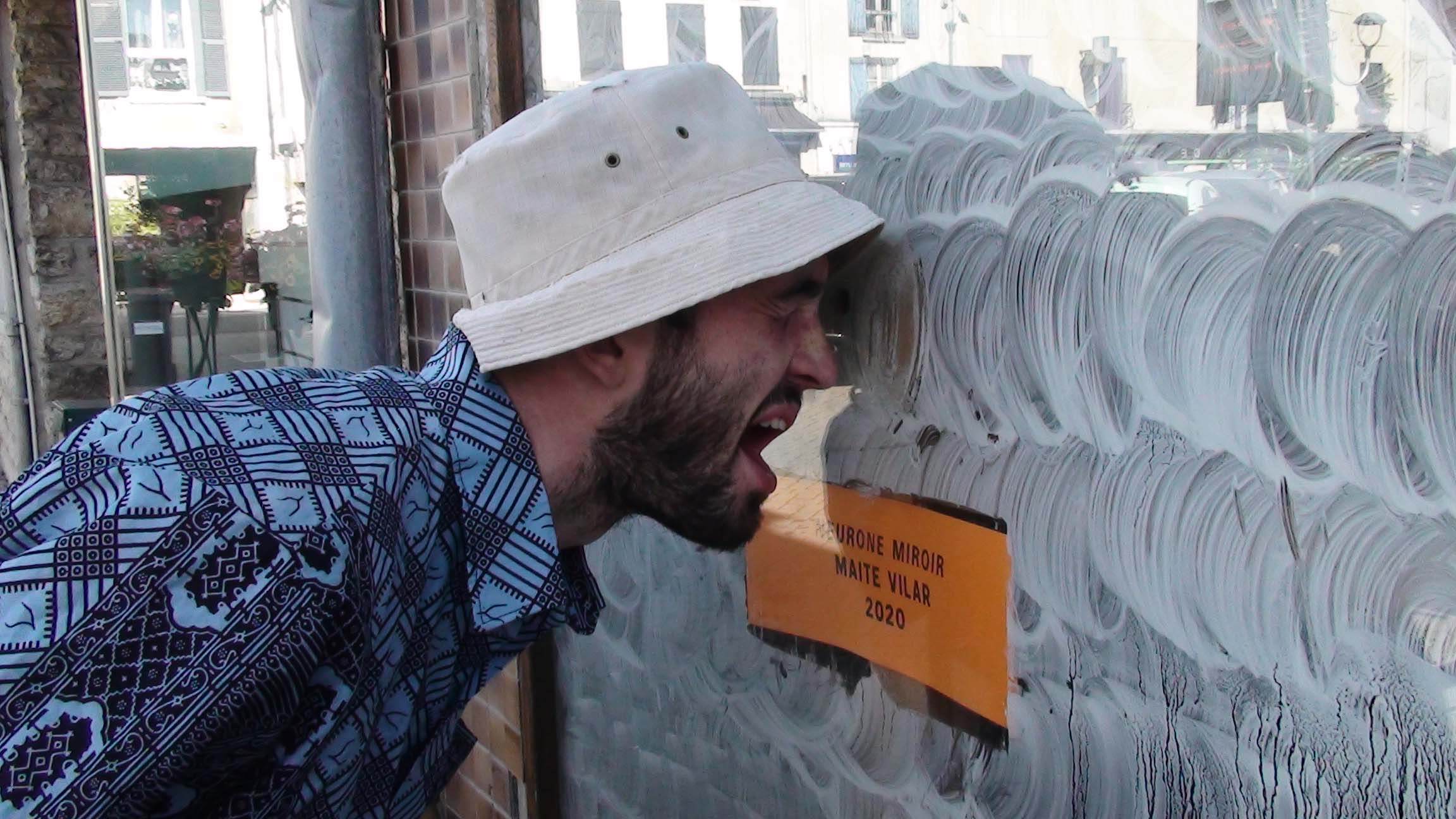
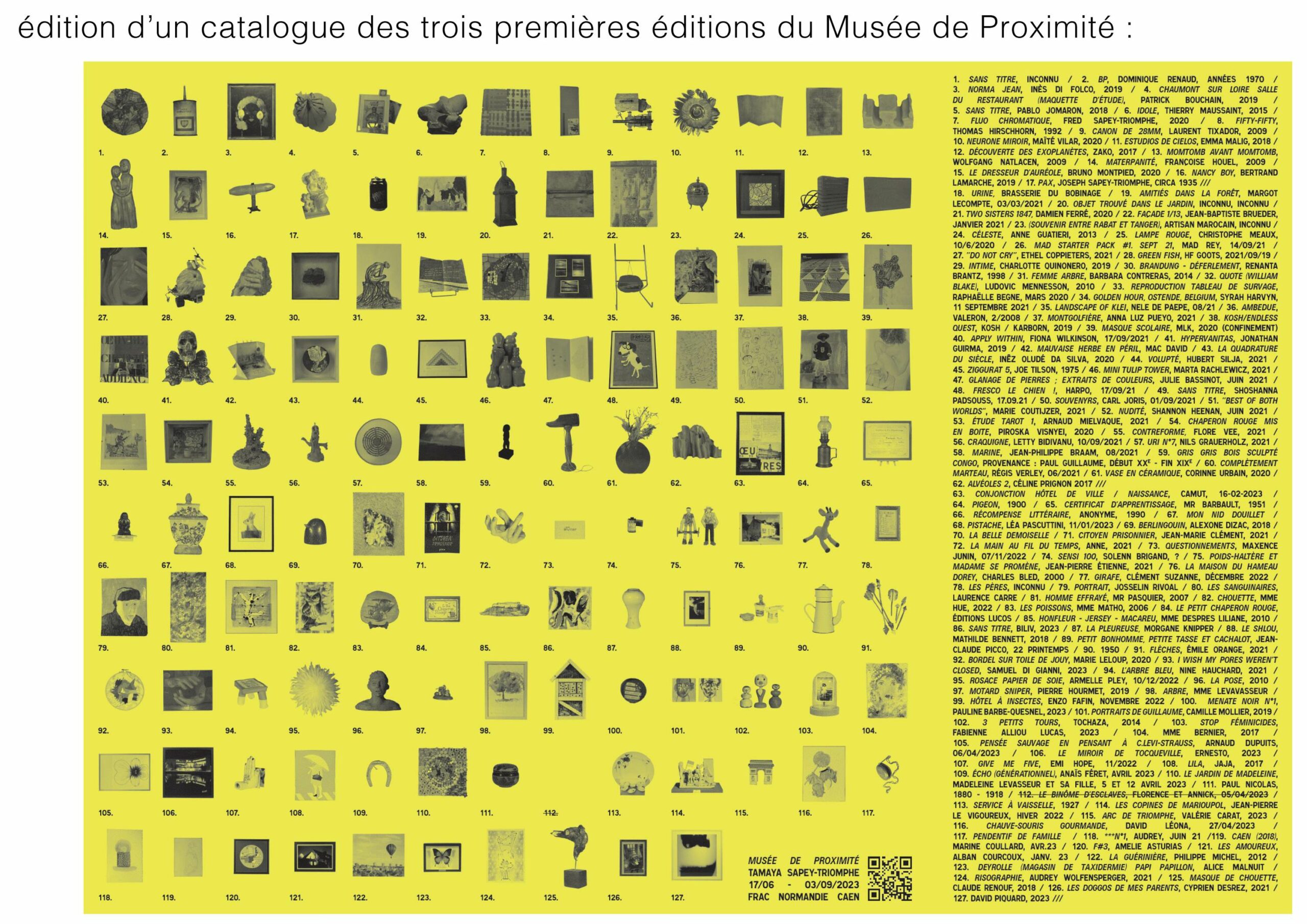
For me, it’s a way to build a collection differently, with people, collectively. It’s an experimental way of building a collection by asking: what happens if there is no curator deciding what has value?
In traditional institutions, even if decisions are made by teams, there is always an authority structure defining what is worth showing. I am not opposing museums, because I love museums, I just wanted to propose a small extension of them into public space. Like, a tiny extension. Musée de Proximité is a parallel, very modest gesture. A way to experience art differently in everyday life.
Can you share a memorable experience from working with communities on this project?
One of the most powerful experiences was in a retirement home. I lived there for several weeks while developing the project. At first, I was a bit afraid because it felt like it might be a sad or isolating environment. But it turned out to be the opposite — incredibly lively and emotional.
Every morning, when I opened my door, there were people waiting for me so we could go to have breakfast together. I became, in a way, the grandchild of everyone there. At the beginning, many residents believed the project wouldn’t work—“this isn’t art,” they said. But over time, they became deeply involved. Seeing that transformation was very moving.
One resident documented the project with a camera, but he often had his finger over the lens—so all the photos are partially obscured. They’re imperfect, but incredibly beautiful.
You’ve spoken about resisting art world norms. What responsibility do artists have today in challenging these structures?
I think we’re in an interesting moment. The boundaries are shifting. More exhibitions are being created by artists themselves, inviting others outside traditional frameworks. There’s also a growing critical attitude toward the art market. When art becomes too tied to economic value, it changes how and why it is produced.
Some institutions remain fixed, while others try to evolve. Artists are part of that transformation. It’s not about rejecting institutions entirely, but about questioning how they function.
Recently, I went to a conference and heard Glenn Lowry say something interesting. He said that institutions like the The Metropolitan Museum of Art and the Louvre Museum work like telescopes, while the Centre Pompidou and Museum of Modern Art function more like microscopes. I thought that was a very interesting way to describe it. The question is not only what you are looking at, but also how you choose to look at the world.
You engage with art brut—art created outside institutional frameworks. What draws you to it, and do you think it can survive the future?
For me, art brut is the most sincere form of art. It’s created without any intention of being exhibited or validated. What does it mean to create something and then hide it? That’s very powerful. It’s pure expression, without concern for audience or recognition.
I grew up being encouraged to look beyond normalized ways of living and thinking. That led me naturally toward art brut. Today, I see it as both an inspiration and a responsibility to support and share these practices without distorting them. It will change, but I believe it will survive.
Today, it’s much easier to share everything — we all have access to visibility through the internet. But there will always be people who create without wanting to show their work publicly. I think that space of private, unmediated expression will remain, and I am very curious to see how it will evolve.
In Musée de Proximité, you remove your own authorship almost entirely. Why is that important to you?
Because the idea is that there is no curator. I don’t select, I don’t filter. I also don’t present my own work within the project. Even the graphic design is neutral. My name doesn’t appear. I build the structure, the framework—and then I step back. If you don’t already know me, you won’t find me there. I try to be invisible.
Your work often uses fragile, “non-noble” materials. Is that an aesthetic choice, a political one, or both?
It’s partly practical. These materials allow me to keep costs low and remain flexible. But it’s also a choice that aligns with how the project functions. Musée de Proximité exists in public space, without the constraints of traditional institutions: no security systems, no strict regulations. Keeping things simple allows it to exist more freely.
Who has the authority to define what counts as art today? And what remains unresolved in redistributing that authority?
That question is still very open. There are efforts to make institutions more inclusive — through education, public programs, participation. But when it comes to collections, things are still very exclusive. Access is difficult. It depends on networks, recognition, and often economic systems. That creates barriers. At the same time, practices like art brut exist outside of these structures, but once they enter institutions, there’s a contradiction. They risk losing what made them unique.
I think the challenge is how to support these forms without absorbing or transforming them completely.
Interview: Keti Davitashvili